
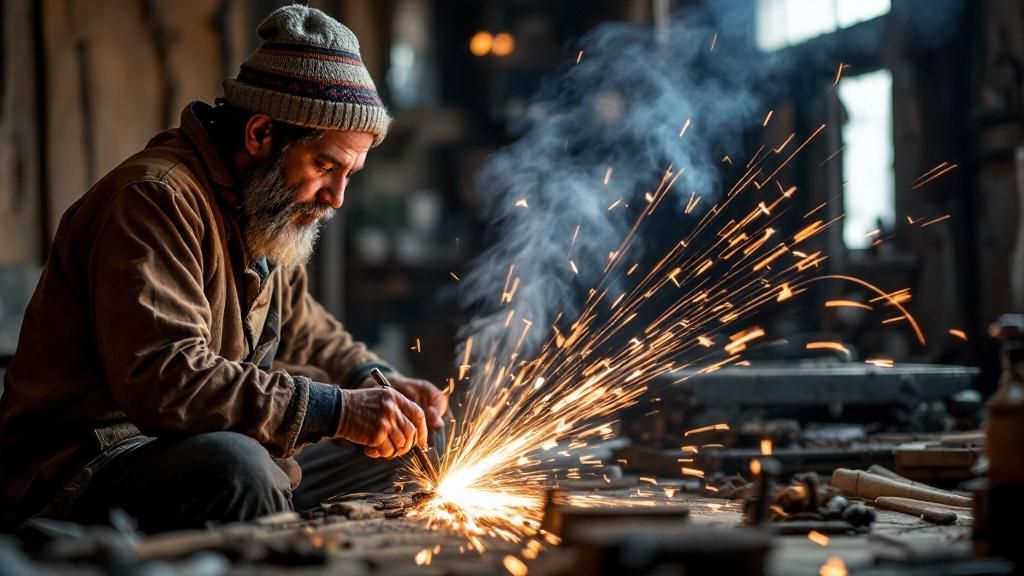
Across Britain, skilled artisans are breathing new life into time-honoured practices by passing their invaluable skills to the next generation through forward-thinking training initiatives. From masonry crafts to traditional weaving, these dedicated artisans are ensuring that ancient techniques—once at risk of disappearing—thrive in contemporary society. This article investigates how craftspeople throughout Britain are preserving their skills, the trainees adopting these heritage practices, and the significant effect these schemes are exerting on preserving Britain’s rich cultural legacy for future generations.
The Resurgence of Conventional Artisanal Work
The revival of heritage craft skills across the United Kingdom constitutes a notable cultural revival. As mass production commands current output, a growing community of traditional artisans acknowledges the critical necessity to preserve their traditional knowledge. These artisans, guardians of practices refined across generations, have been vital in arresting the fall of traditional trades. Their dedication goes beyond personal practice; they vigorously support apprenticeship programmes designed to transmit their skills to interested students keen to acquire authentic methods.
Contemporary apprenticeship schemes have reshaped the landscape of period trades markedly. Rather than relying solely on informal household-based learning, formal systems now provide comprehensive education in established methods. These schemes combine direct practical work with theoretical understanding, confirming apprentices gain true proficiency. Master practitioners dedicate substantial effort coaching their apprentices, illustrating the scrupulous exactitude and fortitude necessary for mastery. This structured framework has proven remarkably effective at engaging youth to careers once regarded as redundant.
The financial benefits of this resurgence span across communities nationwide. Heritage craft businesses generate sustainable employment whilst drawing in tourism and cultural investment. Small studios and workshops become focal points for community engagement, providing visitors authentic experiences unavailable in mass-market alternatives. Additionally, the appetite for traditionally crafted goods—furniture, metalwork, textiles, and ceramics—continues expanding as people increasingly prioritise quality and authenticity over throwaway products.
Beyond economic considerations, the safeguarding of heritage crafts holds significant cultural value for Britain. These time-honoured methods represent tangible connections to the nation’s past heritage and local traditions. Each craft expresses specific geographical traditions, from Cornish tin-working to Yorkshire stone masonry. By maintaining these methods through apprenticeship, regional groups preserve their distinctive cultural narratives. Furthermore, the reflective, measured quality of heritage craft practices offers contemporary workers valuable alternatives to rapid digital work.
Educational institutions increasingly acknowledge traditional crafts’ significance within structured educational programmes. Universities and colleges now offer craft heritage initiatives, validating these disciplines within formal academic settings. This organisational backing affirms apprentice education whilst providing apprentices with recognised qualifications. Cooperation among skilled craftspeople and learning organisations facilitates knowledge sharing occurs systematically and comprehensively, reinforcing the complete apprenticeship structure across the nation.
The psychological and social benefits for apprentices prove equally significant as practical skill acquisition. Young people engaging with traditional craftsmanship develop confidence, patience, and problem-solving abilities through sustained training. The mentorship relationships formed between masters and apprentices foster personal development alongside technical instruction. These meaningful connections often go outside workshop walls, creating collaborative networks united by shared appreciation for skilled craft work and heritage conservation.
Apprenticeship Initiatives and Their Influence
Apprenticeship programmes have emerged as powerful catalysts for change across the nation, offering clear routes for young people to learn heritage skills under the guidance of seasoned experts. These schemes combine hands-on training with theoretical knowledge, ensuring apprentices build comprehensive understanding of their particular trades. By establishing the training framework, programmes have rendered heritage crafts increasingly available to aspiring artisans who may face challenges in securing mentorship opportunities. The structured approach has shown particular promise in attracting those from different communities, widening the profile of those engaged in crafts and strengthening the traditions with new viewpoints and contemporary insights.
The economic influence of apprenticeship initiatives reaches beyond individual participants to advantage local communities and regional economies. Trained craftspeople establish businesses, create employment opportunities, and attract tourism through demonstrations and heritage venues. Many apprentices move forward to become skilled masters themselves, perpetuating the cycle of knowledge transfer and skill development. Furthermore, these initiatives have produced increased interest for heritage products and services, reviving markets that had experienced decline. Educational institutions and craft organisations note growing interest from young people seeking meaningful, creative careers, reversing decades of diminishing interest in traditional trades.
Success stories from apprenticeship schemes demonstrate the deep personal transformations undergone by participants. Many apprentices characterise their training as transformative, offering meaning, identity, and ties to ancestral heritage. Graduates commonly describe increased confidence, improved employment prospects, and real fulfilment achieved by mastering heritage crafts. These personal achievements extend beyond individual development, as apprentices function as champions for their disciplines, inspiring colleagues and relatives to respect ancestral methods. The cascading influence of personal achievements makes a substantial contribution to broader cultural shifts, gradually repositioning heritage crafts as valued, esteemed vocational opportunities rather than superseded occupations.
Digital documentation and social media have expanded the reach of apprenticeship schemes, allowing craftspeople to display their work and attract potential learners globally. Online platforms enable apprentices to share their progress, link up with fellow learners, and establish professional networks extending far beyond their immediate geographical areas. This digital integration has updated traditional learning methods whilst maintaining their essential character, making heritage crafts appealing to digitally-native generations. Online showcases and online resources complement practical training, accommodating learners with various commitments and accessibility requirements, thereby widening the potential pool of future craftspeople significantly.
Funding and governmental support have demonstrated essential importance to maintaining apprenticeship programmes across diverse heritage sectors. Financial grants, tax breaks, and learning subsidies enable practitioners to employ trainees without damaging operational profitability. Many programmes now draw support from Heritage Lottery Fund assistance, ensuring sustained growth and future development. This formal assistance reflects wider public acknowledgement of heritage crafts’ cultural and economic value. However, obtaining reliable financial support remains problematic, with many organisations reliant upon annual applications and competitive bidding processes that demand substantial organisational effort.
Challenges confronting apprenticeship programmes include balancing traditional methods with modern workplace standards and occupational safety requirements. Apprentices must navigate both heritage practices and current standards, sometimes generating tensions between authenticity and compliance. Additionally, the extended learning periods required for mastery—often spanning three to seven years—present financial challenges for participants unwilling to sacrifice earnings during training. Geographic disparities also remain, with apprenticeship opportunities concentrated in certain regions, potentially undermining opportunities for rural and underserved communities pursuing heritage craft training and professional development pathways.
Safeguarding Expertise for Future Generations
The apprenticeship programmes operating across the nation constitute a vital lifeline for heritage crafts that might otherwise disappear entirely. By creating structured mentorship structures, experienced artisans ensure their knowledge is conveyed to motivated individuals ready to invest considerable time to mastering intricate methods. These programmes offer apprentices with direct experience, theoretical understanding, and real career opportunities, converting heritage trades into long-term employment. The investment in such initiatives reflects a unified resolve to safeguarding British cultural traditions and securing these precious competencies stay available to coming generations.
Museums, heritage organisations, and independent craftspeople work together to develop comprehensive apprenticeship frameworks that combine traditional instruction with contemporary business practices. Apprentices learn not only the technical aspects of their chosen craft but also commercial expertise necessary for setting up as independent practitioners. This comprehensive model acknowledges that maintaining traditional trades requires both artistic excellence and market relevance. The resulting generation of talented makers becomes ambassadors for their trades, inspiring further interest and participation within their communities and beyond.
Success stories emerging from these programmes demonstrate the concrete benefits apprenticeships make in breathing new life into vulnerable heritage skills. Young people who could easily have missed traditional skills now build rewarding professional paths, achieving professional standing and economic wellbeing whilst enhancing Britain’s creative economy. Their participation generates wider impact, attracting media attention, boosting visitor numbers, and encouraging people to investigate traditional crafts. These apprentices stand as evidence that time-honoured methods possess genuine contemporary relevance and worth.
The enduring sustainability of traditional crafts depends essentially on fostering successive generations of skilled practitioners. Apprenticeship programmes provide the organised setting required for this passing on of skills, integrating thorough instruction with genuine commitment in craft preservation. As apprentices move closer to mastery, they cultivate the assurance and competence to eventually mentor others themselves, creating cyclical patterns of knowledge transfer. This generational continuum ensures that methods honed across generations remain dynamic, developing organically whilst upholding their essential character and integrity.
Looking ahead, expanding apprenticeship opportunities remains vital for traditional craft preservation. Increased funding, broader access, and greater recognition of these schemes will attract additional skilled people to traditional crafts. Schools and universities increasingly acknowledge the value of hands-on craft learning, integrating traditional skills within curricula and offering specialist qualifications. This institutional support validates apprenticeships and creates more defined pathways for aspiring craftspeople, strengthening the basis upon which the UK’s traditional crafts depends.
Ultimately, heritage craftspeople sharing time-honoured methods through apprenticeship programmes represent far more than occupational training; they embody cultural transmission and human connection. Each apprentice mastering a traditional skill becomes a guardian of history, a custodian of inherited wisdom, and a link connecting generations. Through their dedication and passion, these programmes ensure that Britain’s remarkable craft heritage not simply endures but truly flourishes, enriching society and motivating future generations ahead.
